Hospital readmissions are a growing concern for patients, families, and healthcare providers alike. Returning to the hospital shortly after discharge can be physically, emotionally, and financially challenging. Many readmissions occur because patients struggle to manage their recovery at home, miss medications, develop complications, or fail to follow post-discharge care instructions.
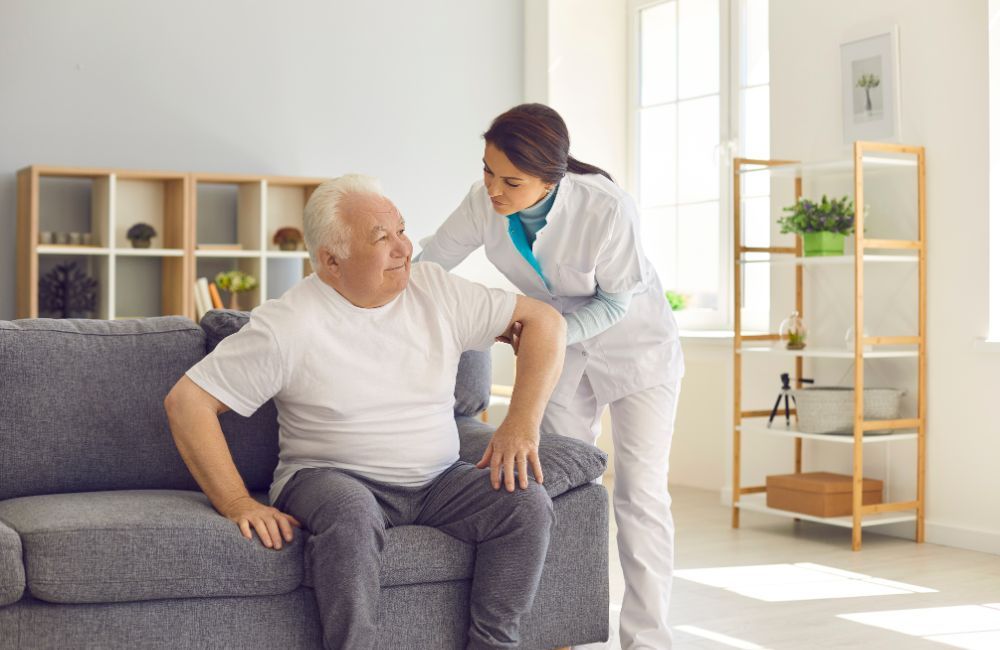
Home nursing care has emerged as one of the most effective solutions for reducing unnecessary hospital readmissions. By bringing professional medical care directly into a patient's home, home nursing services ensure continuous monitoring, timely interventions, and personalized support throughout the recovery process. Whether recovering from surgery, managing a chronic illness, or receiving elderly care, professional home nursing significantly improves patient outcomes while reducing the likelihood of returning to the hospital.
Understanding Hospital Readmissions
A hospital readmission occurs when a patient is admitted to the hospital again within a short period after being discharged, often within 30 days. While some readmissions are unavoidable due to complex medical conditions, many can be prevented with proper follow-up care.
Common reasons for hospital readmissions include:
- Poor medication management
- Surgical wound infections
- Lack of follow-up medical care
- Falls or accidents at home
- Dehydration or malnutrition
- Worsening chronic illnesses
- Failure to recognize warning signs early
- Inadequate patient education
Professional home nursing addresses these challenges before they become serious enough to require hospitalization.
Continuous Medical Monitoring at Home
One of the greatest advantages of home nursing care is ongoing medical supervision. Unlike family caregivers, qualified nurses are trained to recognize subtle changes in a patient's health before they develop into emergencies.
Home nurses regularly monitor:
- Blood pressure
- Heart rate
- Blood sugar levels
- Oxygen saturation
- Temperature
- Respiratory function
- Pain levels
- Overall recovery progress
Early detection allows healthcare providers to adjust treatment plans quickly, preventing complications that could otherwise result in hospital readmission.
Proper Medication Management
Medication errors are among the leading causes of preventable hospital readmissions. Patients may forget doses, take incorrect medications, misunderstand instructions, or experience side effects without realizing the importance of reporting them.
Home nurses help by:
- Organizing medication schedules
- Administering prescribed medications
- Monitoring side effects
- Ensuring prescriptions are refilled on time
- Educating patients about each medication
- Communicating concerns to physicians
This level of medication management greatly improves treatment effectiveness and reduces avoidable complications.
Better Management of Chronic Diseases
Patients living with chronic illnesses such as diabetes, heart disease, COPD, kidney disease, or hypertension require ongoing medical attention even after leaving the hospital.
Home nursing supports chronic disease management through:
- Regular health assessments
- Symptom monitoring
- Lifestyle guidance
- Diet recommendations
- Blood sugar monitoring
- Blood pressure tracking
- Education on disease management
By helping patients stay on top of their condition, home nurses reduce the risk of sudden health deterioration that often leads to emergency hospital visits.
Expert Wound Care and Infection Prevention
Patients recovering from surgery or injuries are vulnerable to wound infections, one of the most common causes of readmission.
Professional home nurses provide:
- Sterile dressing changes
- Wound assessment
- Infection monitoring
- Drain management
- Suture care
- Pressure ulcer prevention
They can identify early signs of infection, including redness, swelling, discharge, fever, or unusual pain, ensuring prompt medical attention before hospitalization becomes necessary.
Personalized Recovery Plans
Every patient has unique healthcare needs. Home nursing services provide individualized care plans tailored to the patient's medical condition, age, mobility, medications, and recovery goals.
These personalized plans may include:
- Daily nursing visits
- Rehabilitation support
- Nutrition monitoring
- Mobility assistance
- Pain management
- Vital sign monitoring
- Family education
A customized approach improves recovery outcomes while minimizing health risks.
Patient and Family Education
Many hospital readmissions occur simply because patients and caregivers do not fully understand discharge instructions.
Home nurses educate both patients and family members about:
- Medication schedules
- Dietary restrictions
- Activity limitations
- Warning signs requiring medical attention
- Proper use of medical equipment
- Wound care techniques
- Chronic disease management
When families understand how to provide proper care, patients are more likely to recover successfully at home.
Improved Nutrition and Hydration
Poor nutrition and dehydration frequently contribute to complications after hospital discharge, particularly among elderly patients.
Home nurses assess:
- Fluid intake
- Appetite
- Weight changes
- Nutritional status
They also coordinate with dietitians when necessary and encourage healthy eating habits that support healing and strengthen the immune system.
Fall Prevention and Home Safety
Falls are a major reason older adults return to the hospital after discharge.
Home nurses evaluate the home environment for potential hazards such as:
- Loose rugs
- Poor lighting
- Unsafe stairways
- Bathroom risks
- Mobility obstacles
They recommend modifications and educate patients on safe movement techniques, reducing the likelihood of injury-related readmissions.
Emotional Support During Recovery
Recovery can be emotionally overwhelming. Anxiety, depression, loneliness, and fear often affect patients after hospitalization, especially seniors.
Home nurses provide compassionate emotional support by:
- Encouraging positive routines
- Building patient confidence
- Offering reassurance
- Reducing stress
- Promoting independence
A positive emotional state often contributes to faster physical recovery and improved overall well-being.
Better Communication Between Healthcare Providers
Home nursing serves as an important connection between patients, physicians, specialists, therapists, and family members.
Nurses communicate changes in the patient's condition, ensuring doctors receive accurate updates and can modify treatment plans without delay.
This coordinated approach prevents small health concerns from becoming serious medical emergencies.
Reduced Risk for Elderly Patients
Older adults are particularly vulnerable to hospital readmissions due to multiple chronic conditions, reduced mobility, and complex medication schedules.
Home nursing provides seniors with:
- Regular medical supervision
- Mobility assistance
- Medication reminders
- Fall prevention
- Personal hygiene support
- Nutrition monitoring
- Companionship
These services help elderly patients remain healthier and more independent while avoiding unnecessary hospital stays.
Also Read - How Professional Home Nursing Care Enhances Quality of Life
Cost Savings for Patients and Families
Hospital readmissions can result in significant medical expenses, transportation costs, and lost income for family caregivers.
Preventive home nursing care often proves more affordable than repeated hospital admissions by:
- Detecting complications early
- Preventing emergency visits
- Supporting faster recovery
- Reducing long-term healthcare costs
Investing in professional home nursing often leads to better health outcomes and lower overall medical expenses.
Who Benefits Most from Home Nursing Care?
Home nursing is especially valuable for patients recovering from:
- Major surgery
- Stroke
- Heart attack
- Joint replacement
- Cancer treatment
- Respiratory illnesses
- Diabetes complications
- Orthopedic injuries
It is also ideal for elderly individuals requiring ongoing medical supervision and patients managing long-term chronic conditions.
Conclusion
Home nursing care plays a vital role in reducing hospital readmissions by providing skilled medical support, continuous health monitoring, medication management, wound care, patient education, and personalized recovery plans within the comfort of home. By identifying potential complications early and ensuring patients follow their treatment plans correctly, professional home nurses help prevent avoidable hospital visits while promoting faster healing and improved quality of life.
For patients recovering from illness or surgery—and for families seeking peace of mind—home nursing offers a safe, compassionate, and effective approach to post-hospital care. As healthcare continues to emphasize preventive and patient-centered services, home nursing remains one of the most valuable investments in achieving healthier outcomes and reducing unnecessary hospital readmissions.
Also Read - Essential Home Nursing Tips for Caring for Seniors